


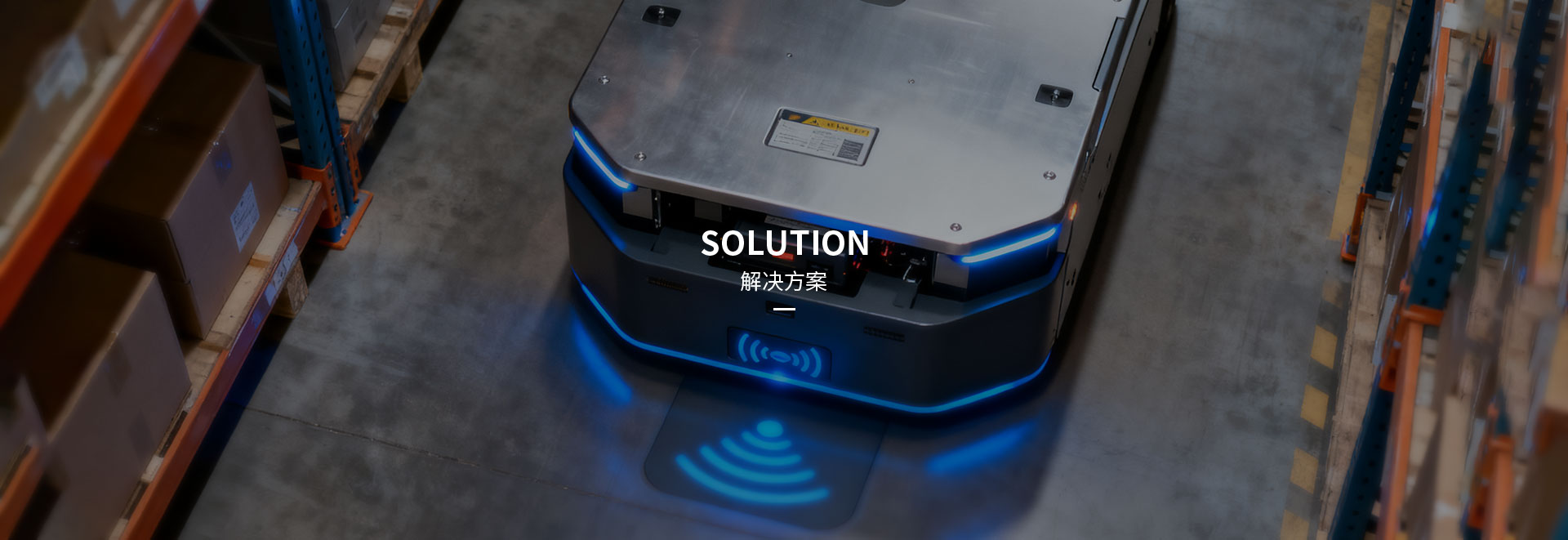
For inspection robots that need to operate stably and reliably for a long time in complex, harsh, and unmanned outdoor environments, the high reliability, safety, automation advantages and low maintenance costs brought by wireless charging usually outweigh the minor disadvantages in terms of initial cost and efficiency. It is one of the key technologies for achieving fully autonomous and highly available operation of inspection robots. With the advancement of technology, the gap in efficiency and cost is narrowing, and the advantages of wireless charging in the field of outdoor robots will become more prominent.
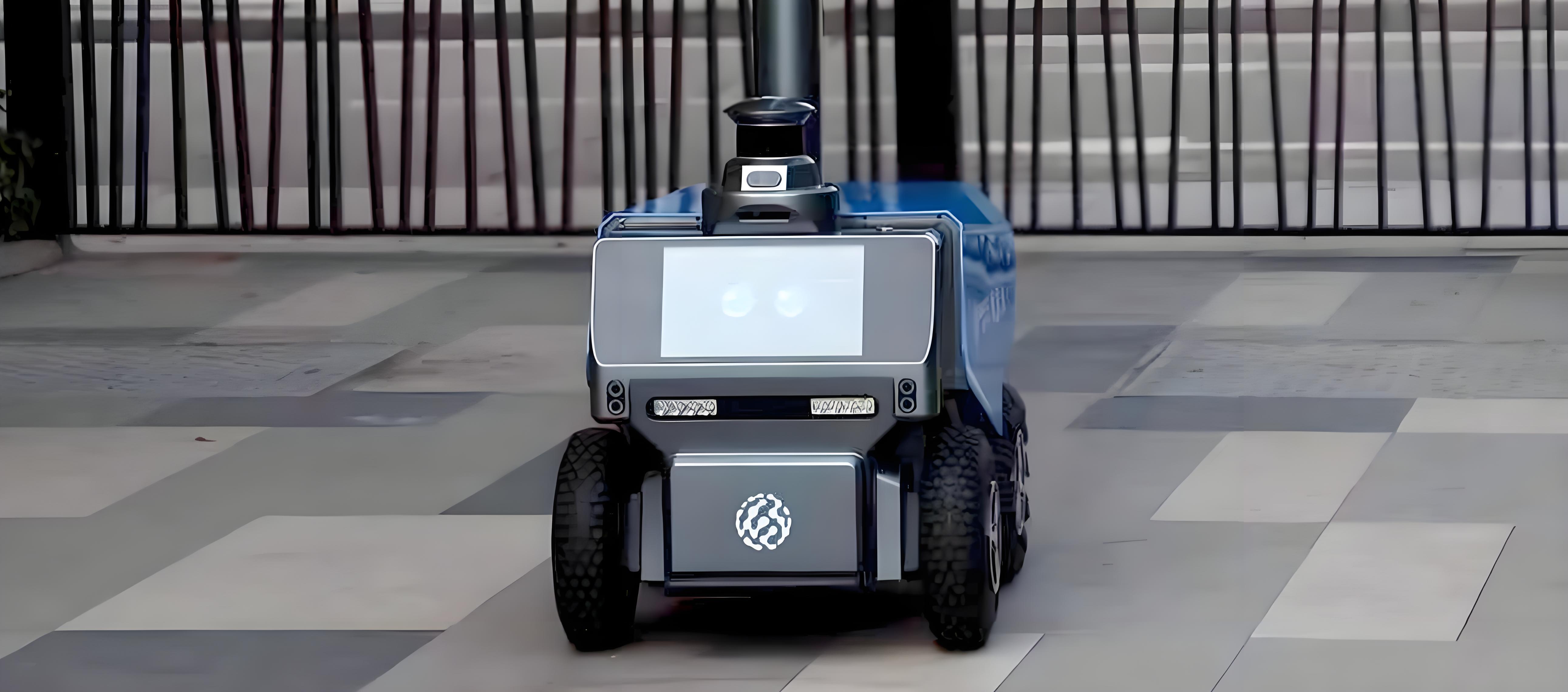







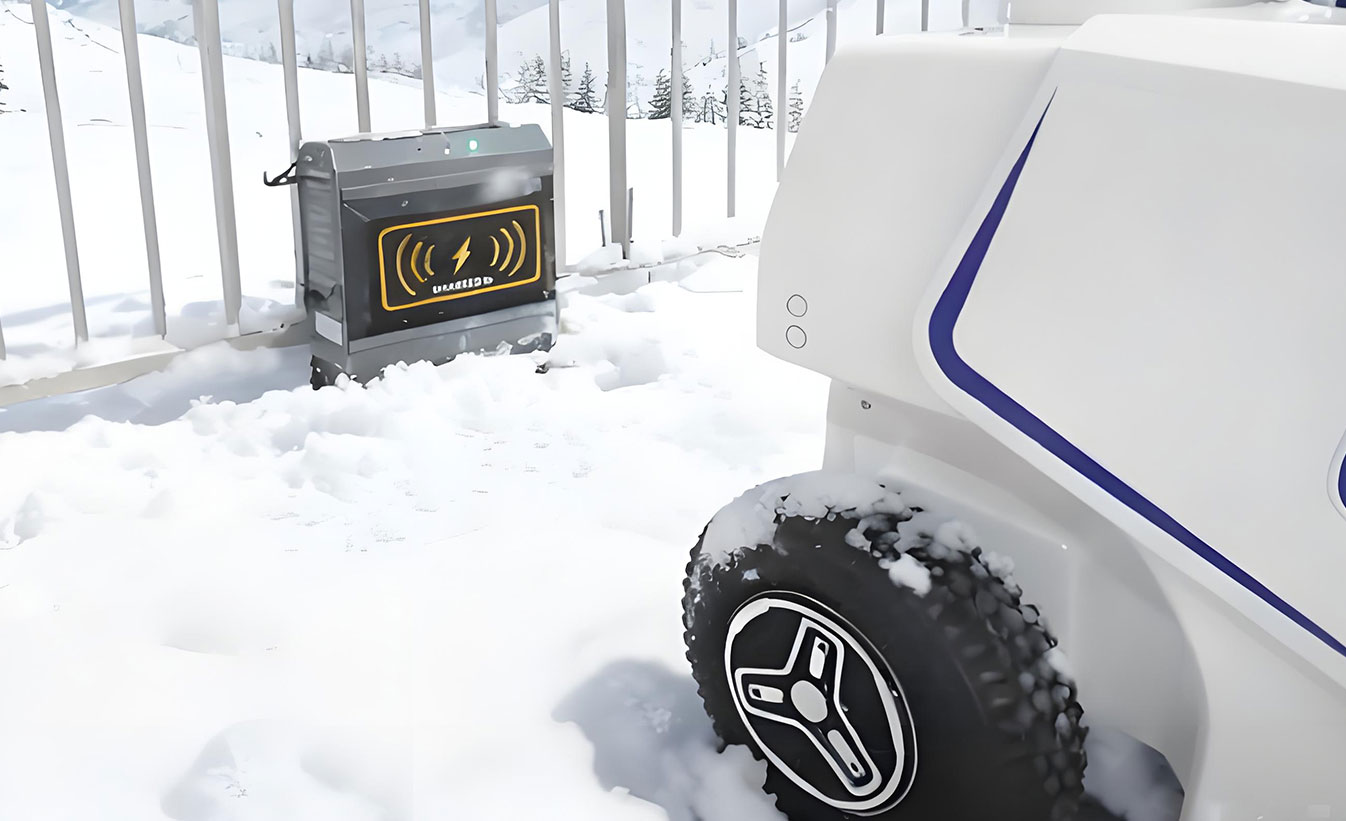
It eliminates the mechanical wear and physical damage caused by frequent insertion and removal of charging connectors (such as loose interfaces, deformation, poor contact). In outdoor environments, factors like sand, dirt, vibration, etc. will accelerate the wear of wired interfaces.
The wireless charging system (both the transmitting and receiving ends) can be fully sealed, achieving a very high IP pro
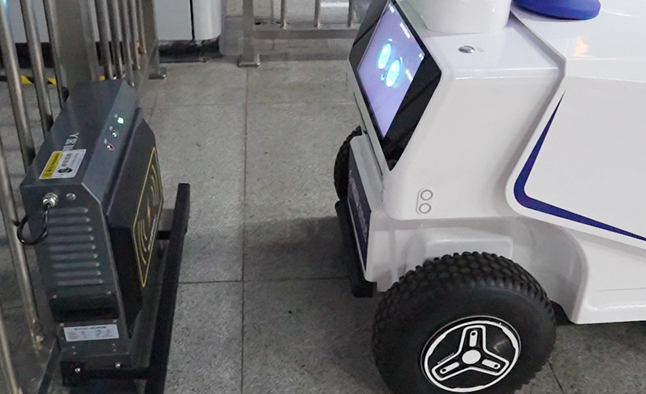
The robot only needs to navigate autonomously to the approximate location of the charging area (with usually some guidance), without precisely aligning with the physical socket. This significantly reduces the requirement for positioning accuracy, thereby increasing the success rate and speed of autonomous charging.

In outdoor inspection scenarios where there are flammable and explosive gases or dust (such as on oil and gas pipelines or around chemical plants), wireless charging without generating electric sparks is much safer than the plug-and-unplug operation.
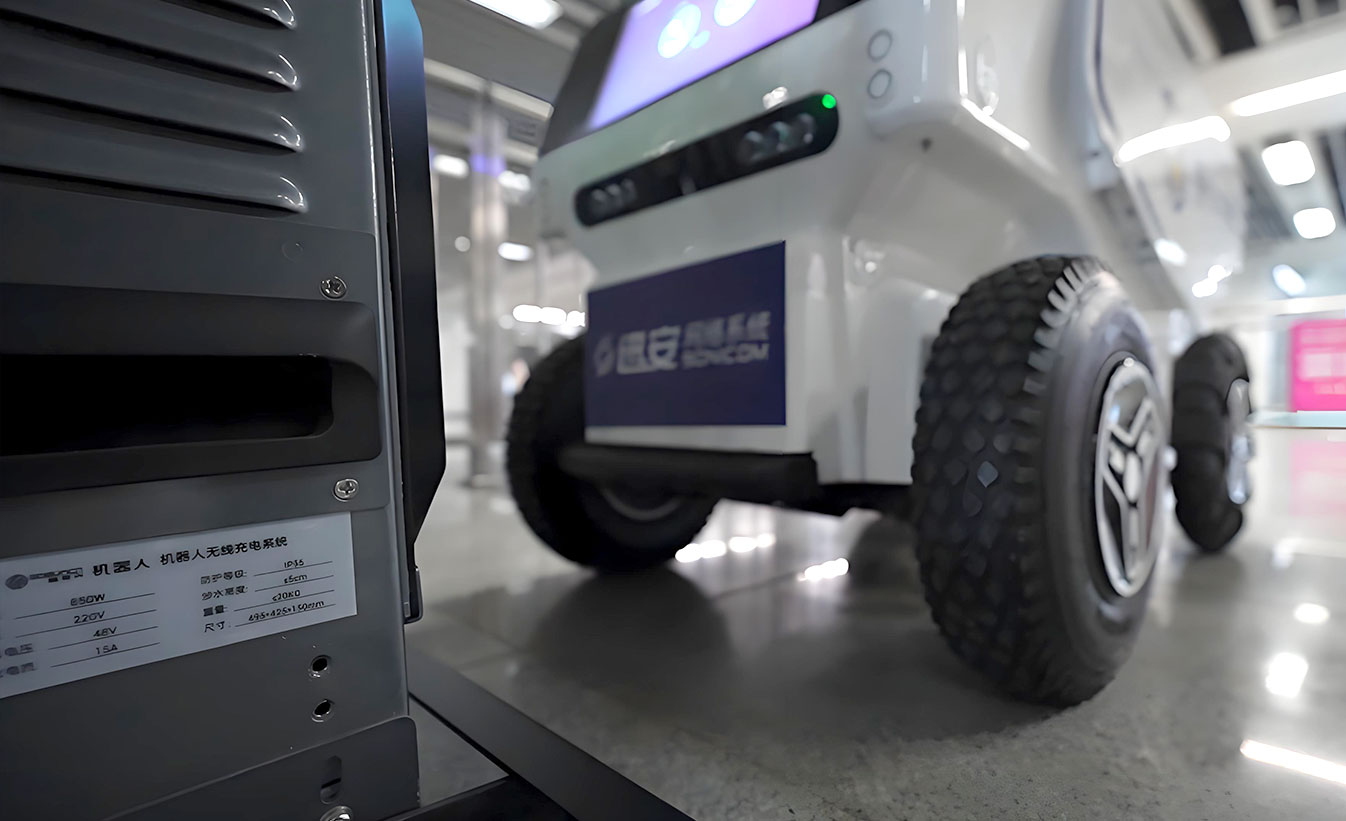
Adding new charging points is relatively simple; all that is needed is to install the transmitting plates. Maintenance mainly focuses on the transmitting end, while the receiving coils at the robot end are very durable.
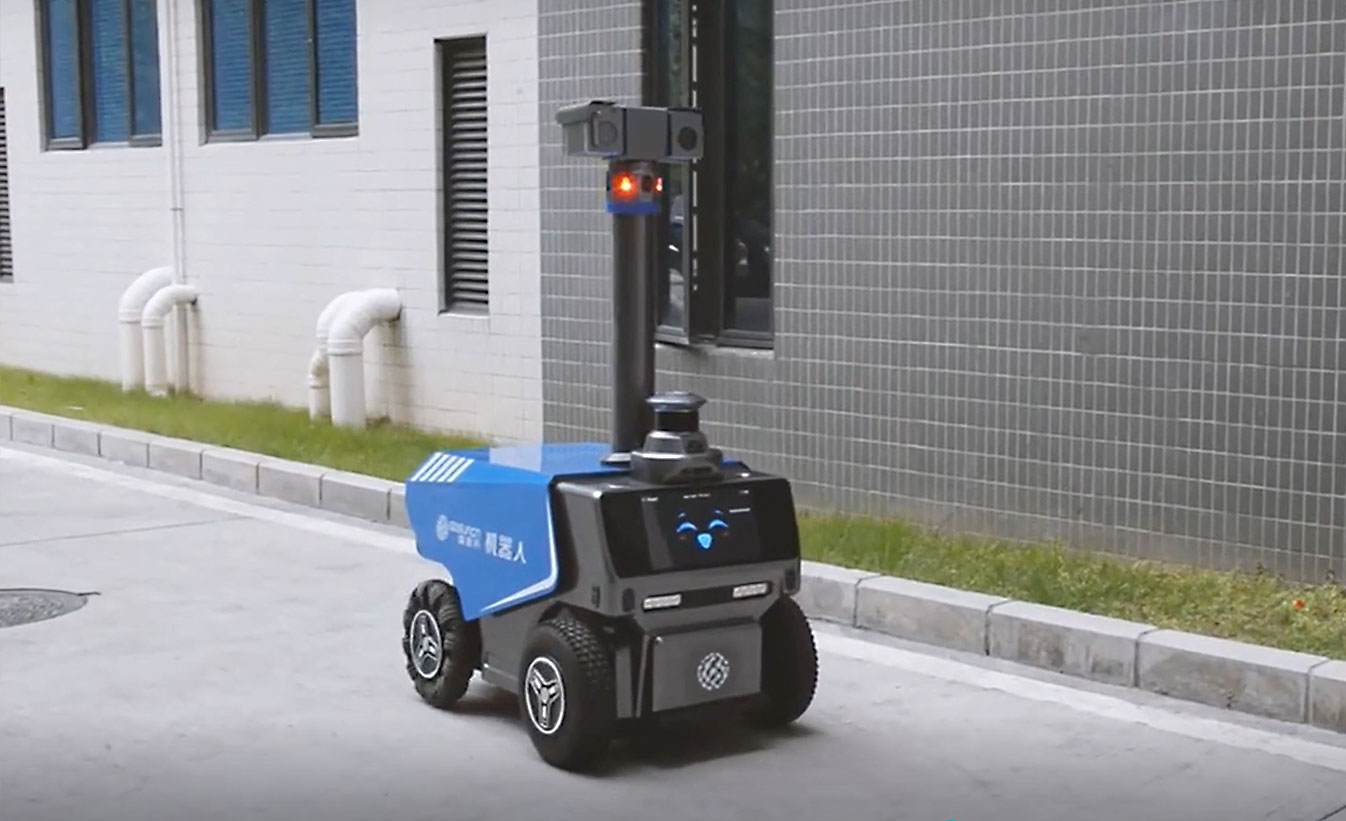
The robot body and charging infrastructure both have a longer service life due to the avoidance of mechanical wear and environmental impacts. No manual charging operation is required.