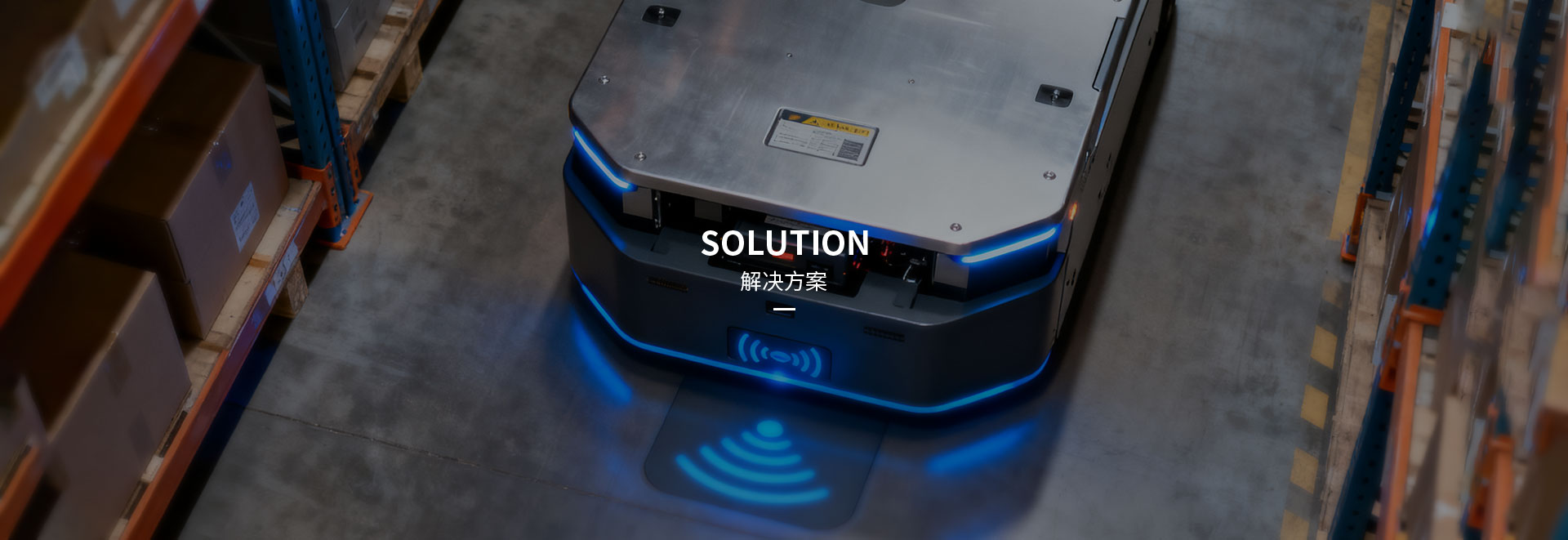
Wireless Charging for Patrol Robots

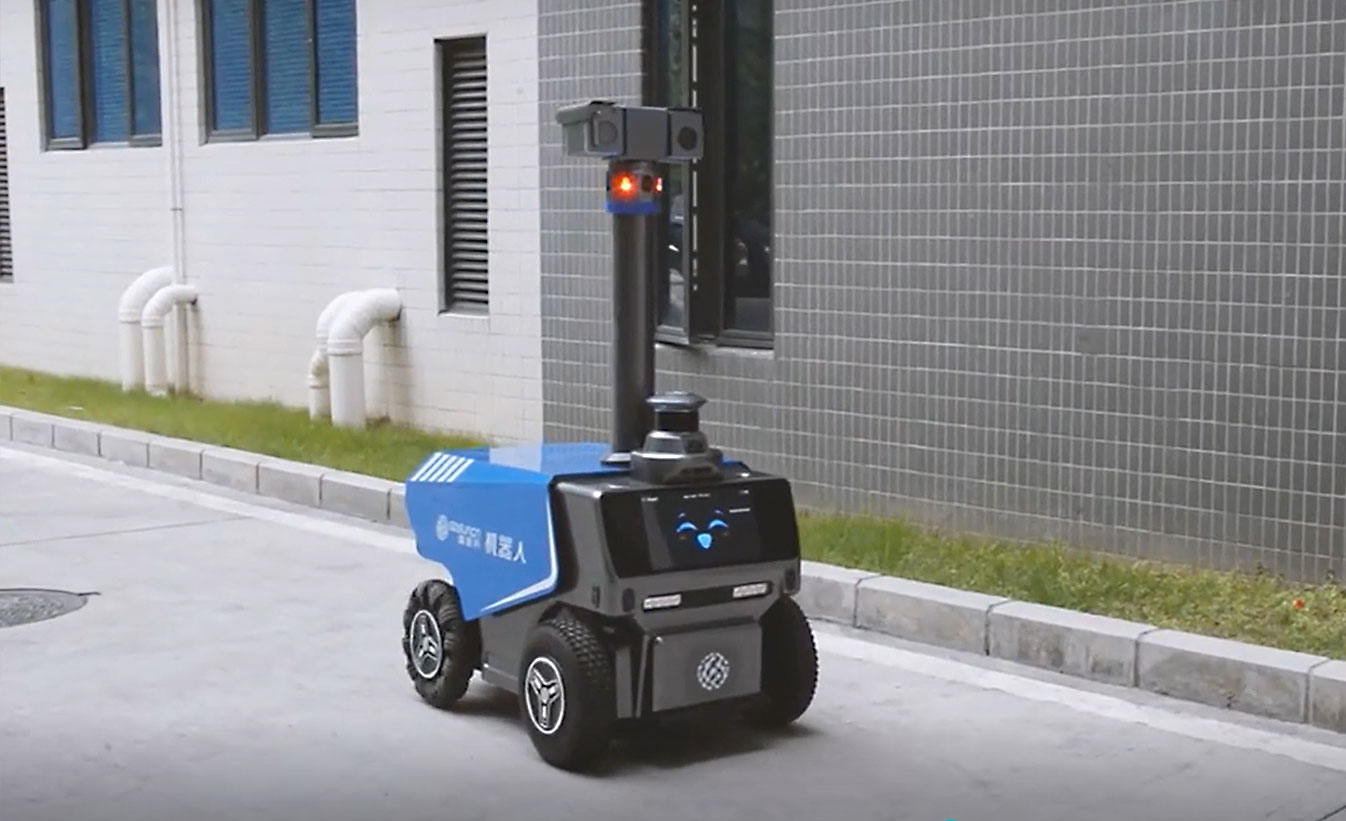
For inspection robots that need to operate reliably over long periods in complex, harsh, and unattended outdoor environments, the high reliability, safety, automation advantages, and low maintenance costs brought by wireless charging typically far outweigh its initial cost and minor efficiency drawbacks. It is one of the key technologies for achieving fully autonomous and highly available operation of inspection robots. With technological advancements, the gap in efficiency and cost is narrowing, and the advantages of wireless charging in the field of outdoor robots will become even more apparent.

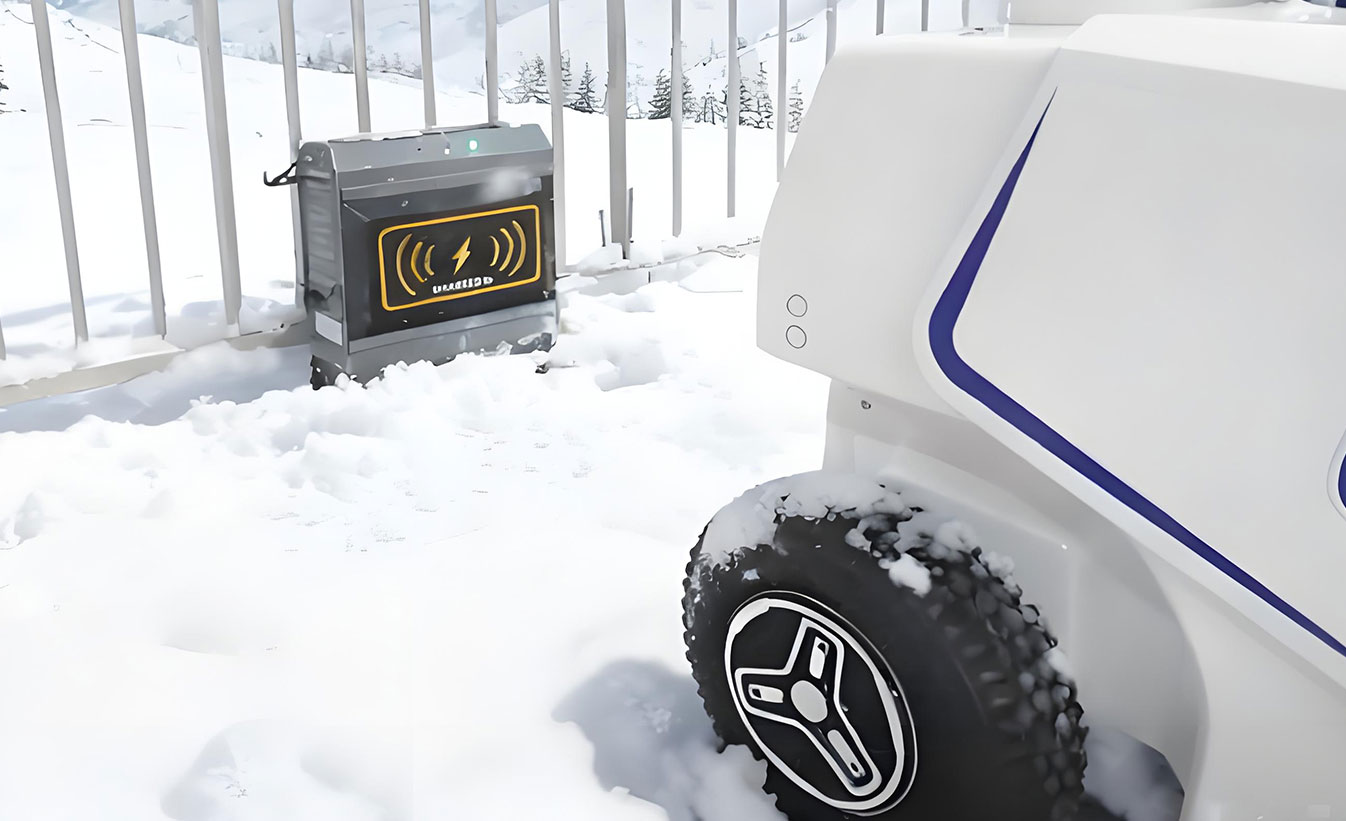
Waterproof and spark-free
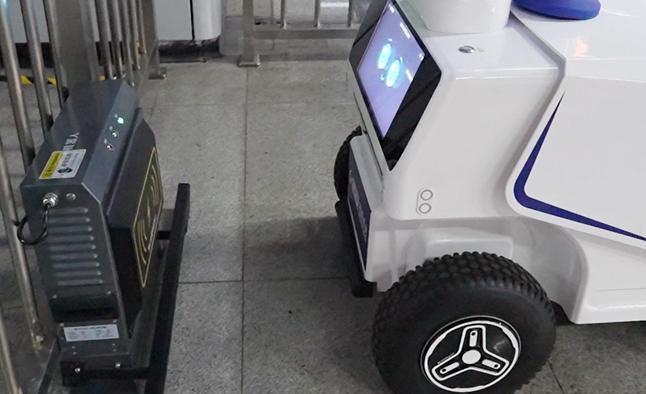
Unmanned operation
charge and go
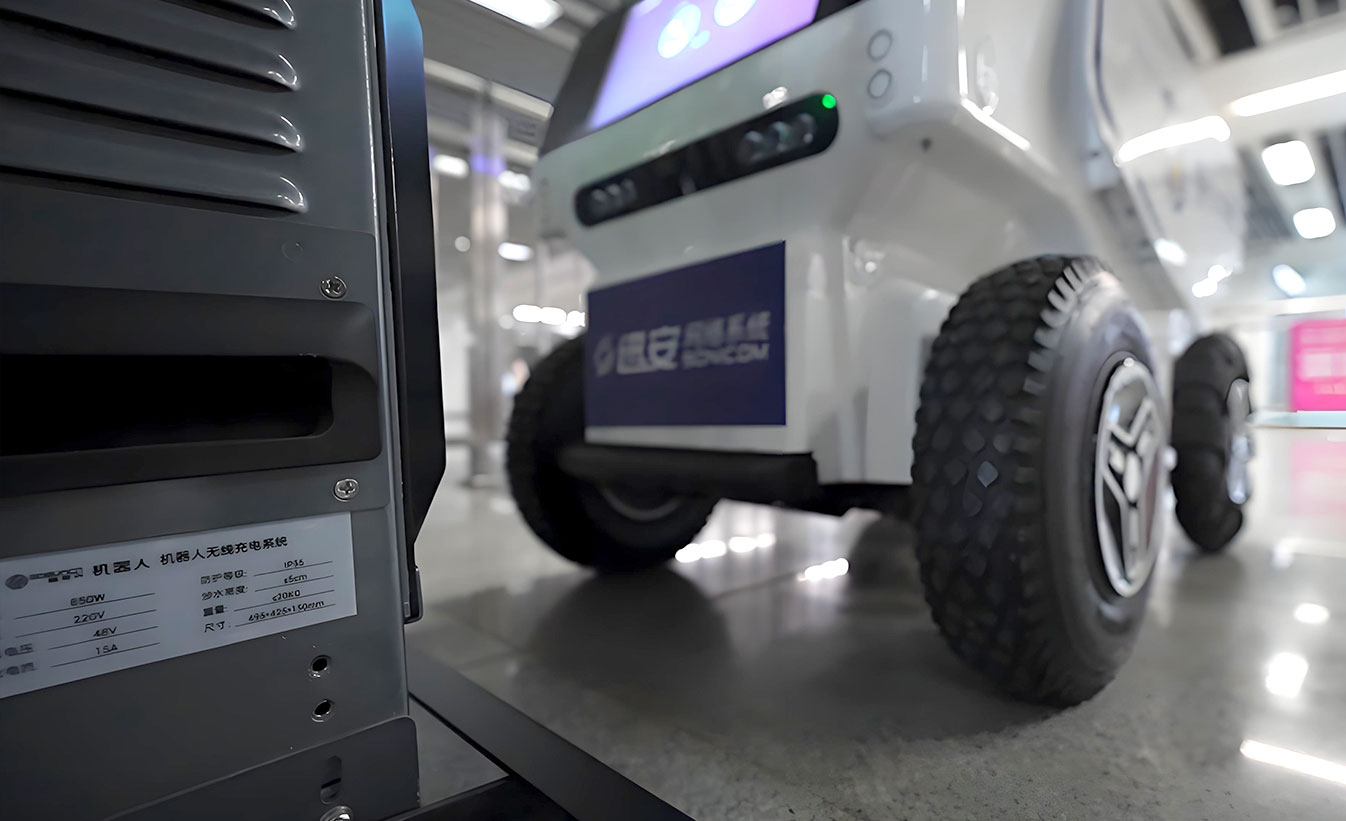
Contactless and maintenance-free
Explosion-proof and flame-proof
Durable and long-lasting
IP67/68 dustproof sealing

High Reliability and Durability

Wireless charging eliminates mechanical wear and physical damage caused by frequent plugging and unplugging of charging connectors (such as loose, deformed, or poor contact). Dust, dirt, and vibrations in outdoor environments can accelerate the wear of wired connectors.

Wireless charging systems (both transmitter and receiver ends) can be fully sealed to achieve a high IP protection rating (e.g., IP67/IP68), effectively resisting rain, snow, dust, salt spray, and other harsh weather and corrosive environments, thus preventing short circuits, corrosion, and failures caused by water ingress or dust accumulation in connectors.

Improving Automation and Efficiency

The robot only needs to autonomously navigate to the general area of the charging station (usually guided) without precise alignment with a physical plug, greatly reducing the requirement for positioning accuracy and enhancing the success rate and speed of autonomous charging.


Enhanced Safety

In outdoor inspection scenarios where flammable or explosive gases or dust may be present (such as oil and gas pipelines or chemical plant surroundings), wireless charging—without generating electric sparks—is much safer than plugging and unplugging operations.


Deployment Flexibility and Convenience

Adding new charging points is relatively simple, requiring only the installation of a transmitter pad. Maintenance is mainly focused on the transmitter, while the receiver coil on the robot is highly durable.


Reduced Long-Term Operating Costs

Both the robot and the charging infrastructure have longer lifespans due to the avoidance of mechanical wear and environmental impacts. Manual charging operations are not required.